
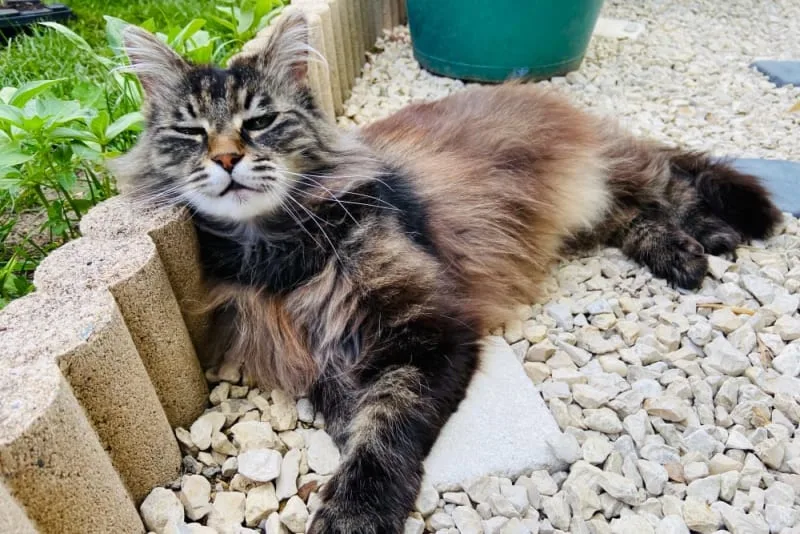
The hot summer months can be dangerous for pets, increasing their risk of heatstroke. In this blog, our vets in Woburn review information about cats' heatstroke and what your veterinarian may recommend if your pet develops heatstroke.
Heatstroke in Cats
Heatstroke is a condition that can affect your pet during the hot summer months when their core body temperature rises at a faster rate than it can cool down. This can cause an inflammatory response, leading to organ failure, and in severe cases, it could be fatal.
A lack of shade, excessive exercise, dehydration, and being in a warm and humid environment without enough circulation, like being in a car with no ventilation or left outside on a hot day, can contribute to heatstroke in cats and dogs.
Certain factors can increase your pet's risk of heatstroke, such as being overweight, having a respiratory illness, being a brachycephalic breed, or having a thick fur coat.
Obesity
Thick fur/ coat
Age ( young or old pets)
Dehydration
Flat-faced pets ( Himalayan cats, Persian cats, bulldogs, Scottish terriers, etc.)
If you suspect your pet is suffering from heatstroke, it is crucial to seek immediate veterinary care.
Signs and Symptoms of Heatstroke in Dogs & Cats
There are several signs to determine if your cat or dog has heat exhaustion/ heatstroke.
Panting (most often seen in dogs but, can occur in cats with heatstroke)
Diarrhea
Vomiting
Dizziness
Lethargy
No or little urine
Delirium/ mental confusion
Drooling
Red or pale gums
Seizures
Muscle tremors
Red tongue
Heart rate increase
Distressed breathing
Rapid breathing
Coma
If you notice any of these symptoms, contact your vet immediately. Heatstroke is a serious condition and requires urgent care.
First Aid Care for Pet Heatstroke
If you suspect your pet is suffering from heatstroke, removing your dog or cat from the hot environment as quickly as possible is crucial. Immediately call your veterinarian or an emergency animal hospital for advice. They may recommend some initial steps before bringing your pet to a veterinarian.
Place cool (not cold) water or cloth on the pet's body to help cool them down. Don't use ice packs, ice cubes, or cold water, as it can worsen their condition.
Aim a fan at them to implement evaporative cooling.
Keep the air conditioner on when you are in the car taking your pet to the vet.
Your pet has to be cooled down gradually; trying to cool your cat or dog too quickly may only worsen the situation; never use ice or ice-cold water. Always follow your vet's advice.
To Prevent Heatstroke
The best way to prevent heatstroke in your pets is to take necessary measures to keep them cool and hydrated, such as providing enough water and shade and avoiding exercise during the hottest parts of the day.
If you suspect your cat or dog is suffering from heatstroke, seek emergency care from our veterinarians Woburn. Heatstroke is a serious condition that requires immediate attention.